
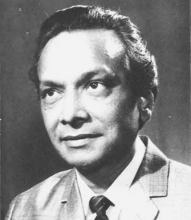
Naushad Ali – The Maestro of Melody
Naushad Ali was one of the most celebrated music composers of Indian cinema, renowned for bringing the beauty of Urdu poetry, Hindustani classical music, and Indian folk traditions into mainstream Hindi films. His compositions created an enduring connection between poetry and melody and remain cherished by generations of music lovers.
Born on 25 December 1919 in Lucknow, Naushad developed a deep love for music from an early age. The musical and cultural atmosphere of Lucknow, with its rich tradition of Urdu literature, poetry, and classical music, had a profound influence on his artistic sensibilities.
After moving to Bombay, Naushad gradually established himself in the Hindi film industry. His music became known for its graceful melodies, classical foundations, emotional depth, and careful treatment of poetic lyrics.
A Beautiful Bond Between Poetry and Music
One of Naushad's greatest contributions was his ability to transform Urdu poetry into unforgettable cinematic melodies. His compositions gave extraordinary prominence to the words of lyricists and allowed the poetry to remain at the heart of a song.
He worked with some of the finest lyricists and playback singers of his era, creating songs that expressed love, separation, devotion, longing, hope, and the many shades of human emotion.
His musical world brought together ghazal-like expression, classical ragas, folk melodies, and orchestral arrangements, creating a distinctive sound that became one of the defining characteristics of the golden era of Hindi cinema.
Memorable Films and Songs
Naushad's illustrious career includes music for several landmark films, including Rattan, Anmol Ghadi, Baiju Bawra, Aan, Amar, Mother India, Mughal-e-Azam, Kohinoor, Ganga Jamuna and many others.
His music for Baiju Bawra demonstrated how powerful classical music could be within popular cinema. Songs such as “Man Tarpat Hari Darshan Ko Aaj” and “Tu Ganga Ki Mauj” became timeless classics.
His association with Mughal-e-Azam produced another unforgettable musical legacy, including “Mohe Panghat Pe” and the iconic “Pyar Kiya To Darna Kya.”
His compositions for Mother India also became an important part of Indian cinematic history.
A Lasting Legacy
Naushad was not merely a film composer; he was an important bridge between India's classical musical heritage and popular cinema. He demonstrated that sophisticated musical traditions and poetic Urdu lyrics could reach millions of ordinary listeners without losing their beauty or emotional power.
His contribution to Indian music earned him numerous honours, including the Dadasaheb Phalke Award and the Padma Bhushan.
Naushad Ali passed away on 5 May 2006, but his music continues to live on.
His melodies are remembered not simply as old film songs, but as a part of India's cultural heritage—where Urdu poetry, classical music, cinema, and emotion came together to create something timeless.
Naushad Ali's Musical Legacy
“A great melody may belong to one era, but true music belongs to every generation.”
The music of Naushad continues to remind us that when beautiful poetry meets a memorable melody, the result can transcend time.